
I was cleaning out some old boxes and found a few rare gems that I had forgotten about. One of the most interesting items I found was a 1960s-era issue of Tape Op’s predecessor, Tape Op’s precursor, and the magazine that started it all: Tape Op’s first issue, Tape Op
The Early Days of Tape Op
Tape Op was founded in 1991 by John Frantz and Steve Rosenthal, two audio engineers who were passionate about sharing their knowledge and expertise with the music industry. The first issue of Tape Op was a groundbreaking publication that set the tone for the magazine’s future success. It featured interviews with influential musicians, in-depth articles on recording techniques, and a unique blend of music, gear, and industry news.
The Evolution of Tape Op
Over the years, Tape Op has undergone significant changes and evolution. The magazine has expanded its scope to cover a wide range of topics, from music production and recording to live sound and post-production. The publication has also become known for its innovative approach to design and layout, featuring stunning visuals and clever typography.
Notable Features and Contributions
The AES Convention was a pivotal moment in the audio engineering world, marking the beginning of a new era in digital recording.
The Birth of Digital Recording
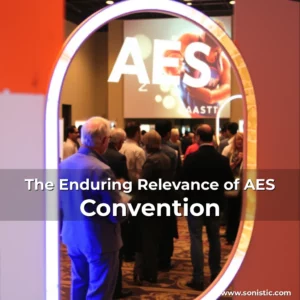
The AES Convention in 1985 was a watershed moment for the audio engineering world. It was the first time that digital recording technology was being showcased to the industry. The excitement was palpable, and the buzz was all about digital recording, digital reverbs, and digital delays. This was a new frontier, and many were eager to explore its possibilities.
The State of the Industry
At the time, the audio engineering industry was still largely analog.
The AES Convention has evolved significantly since its inception, and I’d like to highlight some of the changes that have taken place over the years.
The Early Days of AES Convention
The AES Convention has a rich history that dates back to 1967, when it was first held in New York City. The convention was initially called the Audio Engineering Society (AES) Convention, and it was created to bring together professionals from the audio industry to share knowledge, ideas, and innovations.
AES is a great way to meet audio professionals who have been working in audio since 1985. Without education, there is no commerce. These “kids” are our future and they’re not at NAMM. We need both conventions!
AES Convention Highlights
The Audio Engineering Society (AES) Convention is a premier event for audio professionals to network, learn, and showcase their work. Held annually, it brings together experts from around the world to share knowledge, ideas, and innovations in the field of audio engineering.
Key Features of AES Convention
Benefits of Attending AES Convention
Attending AES Convention offers numerous benefits for audio professionals, including:
The 2016 AES Convention was held at the Los Angeles Convention Center, and it was attended by over 12,000 attendees.
AES Convention: A Look Back and Future Outlook
The Audio Engineering Society (AES) Convention has been a premier event for audio professionals for decades. The convention has grown significantly over the years, and it continues to be a hub for innovation and networking in the audio industry.
History of the AES Convention
The AES Convention has a rich history that dates back to 1962. The first convention was held in New York City, and it was attended by 300 attendees. Since then, the convention has grown in size and scope, with the 1985 convention featuring 140 exhibitors and the 2016 convention featuring 211 exhibitors.
Exhibitors and Attendees
The AES Convention has become a platform for audio professionals to showcase their products and services.
Here’s a snippet from the AES Journal, Vol. 33, No. 1, January 1985:
The State of the Audio Industry in 1985
The audio industry was booming in 1985. The market was growing rapidly, with sales of audio equipment increasing by 10% in 1984. The industry was driven by the introduction of new technologies, such as compact disc (CD) players and digital audio workstations (DAWs).