
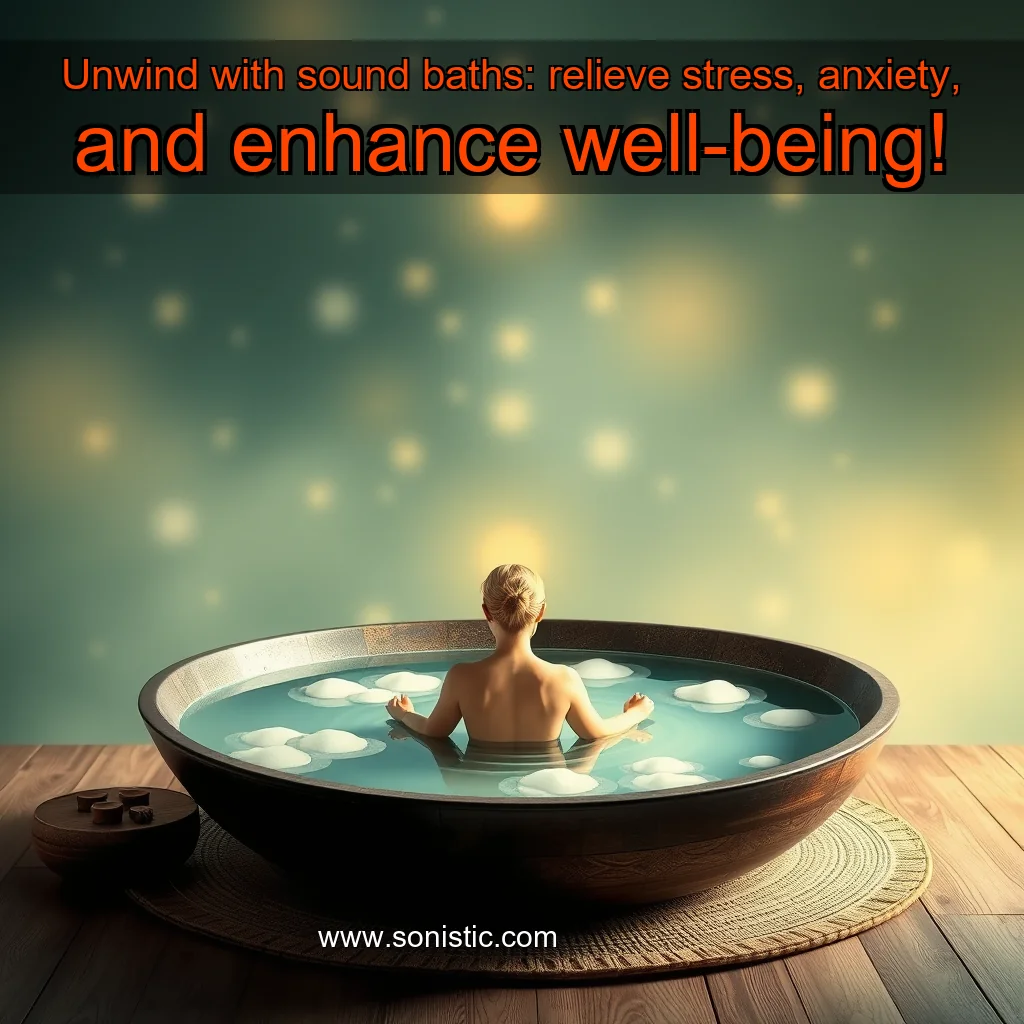
Healing through vibrations and resonance.
The Origins of Sound Baths
Sound baths have been practiced for centuries, originating from ancient cultures such as the Tibetans, Egyptians, and Greeks. The use of sound in healing dates back to the 1970s, when sound healing became a popular practice in the Western world. The concept of sound healing was further developed by the work of Dr. Leonard Horowitz, who researched the effects of sound on the human body.
The Science Behind Sound Healing
The sound produced by instruments in a sound bath session impacts our body’s energy centers, which are believed to be located at specific points along the spine.
The Science Behind Sound Baths
Sound baths have been used for centuries in various cultures to promote relaxation, reduce stress, and improve overall well-being. The concept is based on the idea that sound vibrations can affect the body’s energy fields, also known as chakras. By using specific sound frequencies, sound baths can help to balance and align the body’s energy, leading to a sense of calm and relaxation.
How Sound Baths Work
The sound is produced by striking the metal with a mallet or a stick. The sound is then amplified by the resonating chamber of the bowl.
The Science Behind Singing Bowls
Understanding the Physics of Sound
When a singing bowl is struck, the metal vibrates at a specific frequency, producing a unique sound. This phenomenon is based on the principle of resonance, where the metal resonates at a specific frequency, amplifying the sound. The resonating chamber of the bowl enhances this effect, creating a rich and full-bodied sound. The frequency of the sound produced by the singing bowl is typically between 20-30 Hz, which is within the range of human hearing. The sound is also characterized by its harmonic series, which is a series of integer multiples of the fundamental frequency.