This new capability is made possible by the high-performance, precision-engineered drivers and sophisticated algorithms used in the system. These drivers provide clear, precise sound reproduction with minimal distortion and coloration, ensuring that the audio remains faithful to the original recording. The system’s precision-engineered design allows for precise placement of the drivers, resulting in optimal sound distribution and a comprehensive listening experience. The new system also features EM Acoustics’ proprietary Smart Routing technology, which enables the seamless integration of external audio sources, such as sound effects or pre-recorded elements. This technology uses advanced algorithms to optimize the placement of the audio signals within the acoustic space, ensuring that the audio is integrated in a way that is both subtle and effective.
EM Acoustics’ commitment to quality and customer satisfaction is evident in its products.
The Benefits of EM Acoustics Reference Series
The EM Acoustics Reference Series offers several benefits to users, including:
Real-World Applications of EM Acoustics Reference Series
The EM Acoustics Reference Series has been used in various real-world applications, including:
Expert Insights
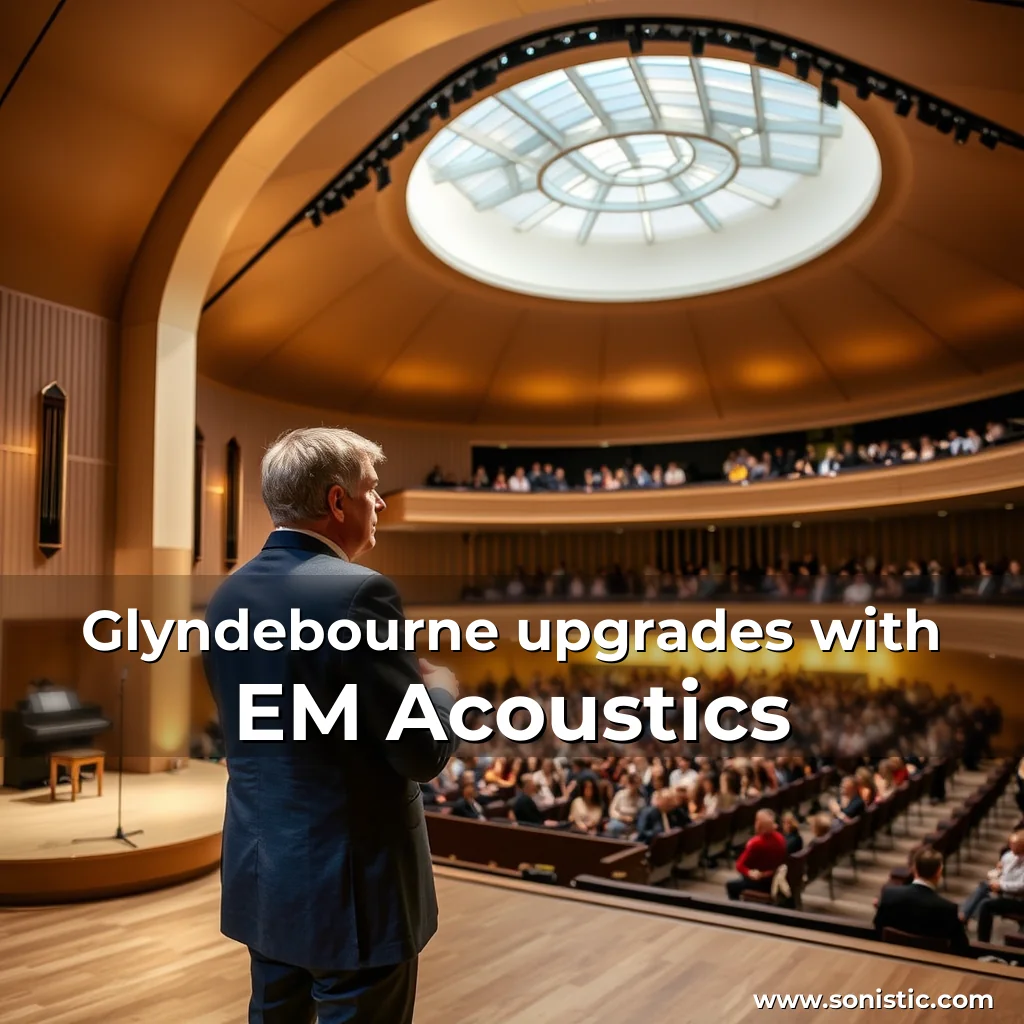
Jonathan Moss, Head of Sound and Video at Glyndebourne, has praised EM Acoustics for its commitment to quality and customer satisfaction. Moss says, “EM Acoustics is a company that truly understands the importance of sound quality in live performances.
The R8s are placed upstage and downstage to create a balanced soundstage. The Reference Series loudspeakers are designed to provide a clear and detailed sound with a wide frequency response. The R12s are capable of producing a wide range of frequencies, from 30 Hz to 30 kHz, while the R8s are designed to focus on the midrange and treble frequencies.
The sound quality is exceptional, with clear and crisp highs and deep bass that resonates throughout the auditorium. The system is designed to provide a unique and immersive experience for the audience. The four R8s are positioned to create a 360-degree sound field, while the four S-218s provide a powerful and deep bass that enhances the overall audio quality. The DQ20 amplifiers are strategically placed to ensure optimal sound distribution and minimize echo. The use of deployable speakers adds flexibility to the system, allowing for easy reconfiguration and adaptation to different performance settings. This flexibility is particularly useful for events that require a high level of customization, such as concerts and theatrical performances. The system’s design and functionality are tailored to meet the specific needs of the auditorium. The four R8s are mounted on a round from the ceiling, providing a seamless and unobtrusive sound field. The four S-218s are installed underneath the auditorium, creating a powerful and immersive sound experience. The deployment of the system is a complex process that requires careful planning and execution. The installation team must carefully assess the auditorium’s acoustics and make adjustments as needed to ensure optimal sound quality. The use of deployable speakers adds an extra layer of complexity to the deployment process, requiring careful consideration of the performance space and the audience’s seating arrangement. The system’s performance is evaluated based on its ability to provide a high-quality sound experience. The system’s ability to deliver clear and crisp highs and deep bass is evaluated, as well as its ability to minimize echo and optimize sound distribution. The system’s design and functionality are continually evaluated and refined to ensure optimal performance.
The Importance of Acoustic Design in Theatres
The acoustic design of a theatre is crucial in creating an immersive experience for the audience. A well-designed acoustic system can elevate the performance, while a poorly designed one can detract from it. The integration of EM Acoustics at Glyndebourne is a prime example of how acoustic design can be used to enhance the theatrical experience.
The Challenges of Integrating New Technology
Integrating new technology into an existing theatre can be challenging.

news is a contributor at Sonistic. We are committed to providing well-researched, accurate, and valuable content to our readers.