That would be a game-changer for the industry.OLED Display Technology: The Future of Visual Experience
Advantages of OLED Displays
OLED displays have several advantages over other display technologies, including:
One of the major concerns with OLED panels is the risk of burn-in, especially considering that most manufacturers don’t cover it under warranty. Burn-in occurs when an image is displayed on the screen for an extended period, causing the pixels to degrade and lose their brightness.
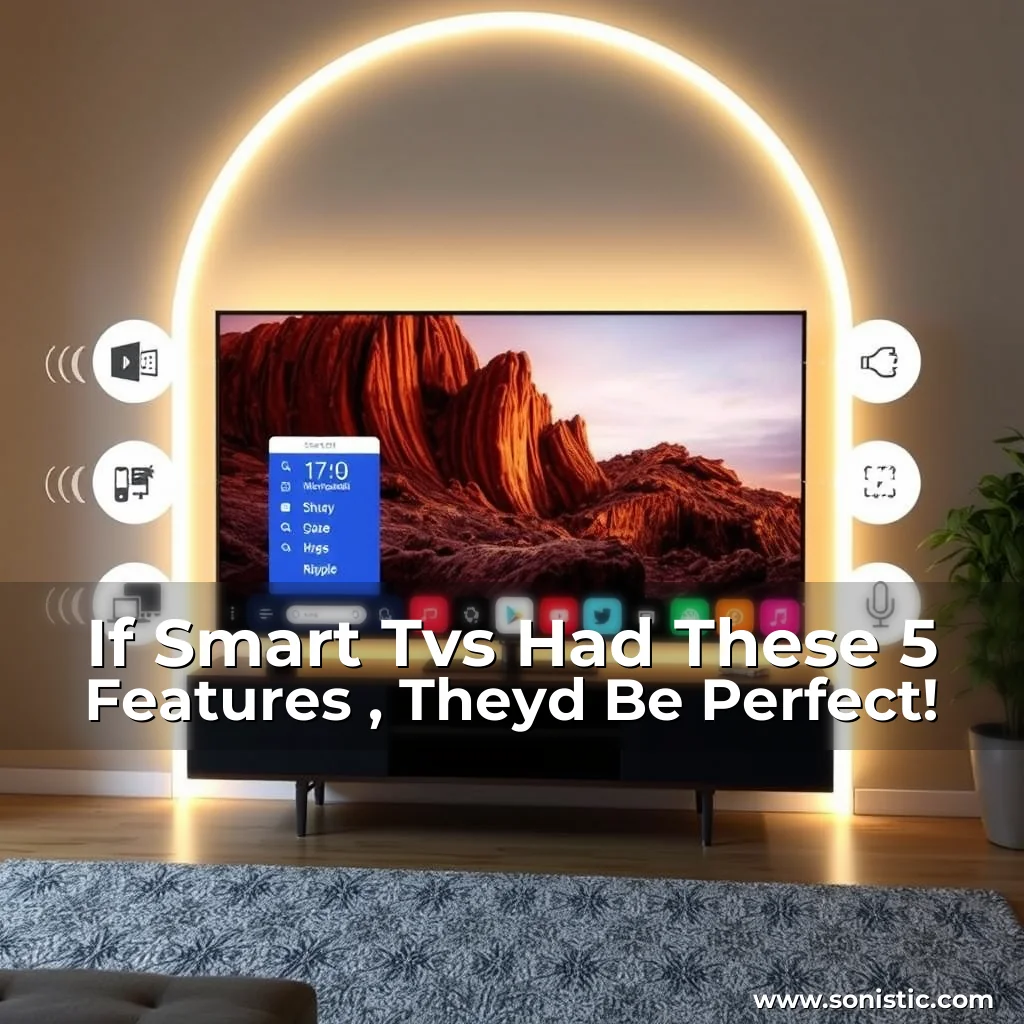
Auto-Calibration: The Missing Feature for Home TV Owners
Many modern TVs come with advanced features like 4K resolution, HDR, and smart TV capabilities. However, these features are often underutilized due to the lack of proper calibration. This is where auto-calibration comes in – a feature that can optimize the picture quality of a TV for everyday viewing.
Auto-calibration is a feature that can be found in some high-end TVs, but it’s not a standard feature in most TVs. This is why many users seek help from professionals to calibrate their TVs.
But what’s interesting is that some companies are now exploring the integration of audio systems with TVs, such as Sonos and LG.
Advanced Picture and Sound Quality
The Samsung QLED 8K TV boasts advanced picture and sound quality, thanks to its 8K resolution and 120Hz refresh rate. This means that the TV can display a vast array of colors and details, making for a more immersive viewing experience. • The TV’s 8K resolution provides a level of detail that’s four times higher than 4K resolution, allowing viewers to see more textures, patterns, and colors. • The 120Hz refresh rate ensures that fast-paced content, such as sports and action movies, looks smooth and seamless.
Integration with Other Devices
The Samsung QLED 8K TV can integrate with other devices, such as soundbars and speakers, to create a seamless viewing experience. This is made possible by Samsung’s proprietary technology, which allows for easy pairing and control of multiple devices. • For example, the TV can be paired with a Sonos soundbar to create a high-quality audio system.
Upgrading Your TV: A Misconception
Upgrading your TV every few years is a common misconception. Many people believe that their TV needs to be upgraded regularly to keep up with the latest technology.
Modular Design
A modular design for Android TV devices would be a game-changer for consumers. It would allow users to upgrade individual components, rather than having to replace the entire device. This would be particularly beneficial for those who want to keep their device for a long time, but may not want to upgrade to the latest model every year.
A modular design would also enable manufacturers to create devices with varying levels of performance and features, catering to different user needs and budgets.

news is a contributor at Sonistic. We are committed to providing well-researched, accurate, and valuable content to our readers.