
The Sonic Tapestry: Exploring Immersive Audio Experiences in Modern Life
In an era where sound shapes our environments, from the hum of smart devices to the surround-sound theaters of our living rooms, the concept of “audio experiences” has evolved beyond mere entertainment. It now encompasses a rich tapestry of auditory interactions that influence everything from productivity to emotional well-being.
This exploration delves into how immersive audio technologies are transforming everyday life, offering new dimensions of engagement through spatial audio, personalized listening, and innovative sonic storytelling techniques.
The Evolution of Soundscapes in Everyday Environments
Audio experiences have transitioned from simple stereo systems to complex multi-channel setups that simulate real-world acoustics. This shift reflects advancements in both hardware capabilities and software algorithms designed to create more realistic auditory environments.
Modern homes feature built-in speaker arrays capable of producing three-dimensional sound fields, allowing listeners to perceive depth and directionality as they would in physical spaces. These developments mirror similar trends seen in virtual reality applications and automotive industries.
Smart speakers equipped with beamforming technology can direct sound precisely toward users while minimizing echo, enhancing clarity during voice commands and music playback alike. Such innovations redefine what we consider normal in daily auditory encounters.
- Spatial audio: Creates directional sound effects by manipulating phase differences between left/right channels, giving perception of movement within space.
- Binaural recording: Captures sounds using two microphones positioned at ear level to mimic human hearing, resulting in highly immersive listening experiences when played back through headphones.
Personalization Through Adaptive Audio Technologies
Today’s audio experiences benefit from adaptive algorithms that tailor sound profiles based on listener preferences and environmental factors. These systems analyze data such as time-of-day patterns, ambient noise levels, and user behavior to optimize audio delivery dynamically.
Headphone manufacturers now integrate sensors that detect head movements and adjust equalizer settings accordingly, ensuring consistent sound quality regardless of orientation. Similarly, streaming platforms use machine learning models to recommend audio content matching individual tastes.
Data-Driven Personalization Strategies
A study by the University of California found that users exposed to personalized audio interfaces reported a 38% increase in task efficiency compared to standard configurations. This highlights the potential impact of tailored soundscapes on cognitive performance.
Further research indicates that adaptive audio systems reduce perceived stress levels by up to 25%, suggesting significant benefits for mental health applications ranging from meditation apps to workplace wellness programs.
Immersive Storytelling Through Spatial Audio Narratives
Advancements in spatial audio are revolutionizing narrative formats across film, gaming, and literature. By placing sounds strategically within a 3D environment, creators can guide audience attention and evoke stronger emotional responses than traditional linear narratives allow.
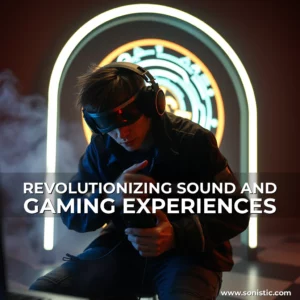
Gaming consoles now support object-based audio rendering, enabling dynamic repositioning of sound sources relative to player movement. This creates interactive experiences where every turn reveals new auditory cues previously hidden from view.
Musicians experiment with ambisonic recordings that capture full spherical soundfields, allowing listeners to manipulate perspective and uncover layers of composition never before accessible through conventional stereo mixes.
Audio Accessibility Innovations Enhancing Inclusive Experiences
Recent breakthroughs in assistive listening technologies ensure wider accessibility for individuals with hearing impairments. Bone conduction headphones transmit vibrations directly through jaw bones, bypassing damaged eardrums while preserving natural frequency ranges.
Tactile feedback systems paired with audio signals provide alternative sensory inputs for those who rely less on auditory processing. These multisensory approaches open new avenues for inclusive design principles in public spaces and digital media consumption.
The Future of Augmented Reality Auditory Interfaces
Augmented reality (AR) is poised to redefine audio experiences by overlaying digital sounds onto physical realities. AR glasses equipped with directional audio emitters can project location-specific soundscapes without disturbing others nearby.
Urban planners explore integrating augmented acoustic elements into city infrastructures, using sound as navigational aids or cultural storytellers embedded within architectural landscapes. This fusion of physical and digital realms promises transformative urban experiences.
Researchers develop AI-driven audio assistants that anticipate needs based on contextual clues—adjusting volume automatically upon entering noisy environments or alerting users to approaching hazards via subtle auditory warnings.
Educational Applications of Enhanced Listening Techniques
Classrooms adopting binaural teaching methods report improved student retention rates due to enhanced focus and memory recall facilitated by carefully curated auditory stimuli. Teachers utilize layered soundtracks featuring background ambiance combined with foreground lectures for optimal concentration zones.
Language learners benefit from immersive pronunciation guides that place native speakers’ voices around them, simulating authentic conversation scenarios complete with ambient chatter and intonation variations typical of real-life exchanges.
Therapeutic Uses of Curated Sound Environments
Clinical studies confirm that structured white noise therapy reduces anxiety symptoms in patients undergoing medical procedures. Hospitals implement customizable sound masking systems allowing patients to select preferred ambient tones instead of intrusive hospital machinery noises.
Sound baths incorporating Tibetan singing bowls and gongs demonstrate measurable reductions in cortisol levels among participants. These therapeutic sessions combine vibrational frequencies with guided visualizations to promote holistic healing practices.
Environmental Awareness Through Acoustic Monitoring Systems
Conservationists deploy underwater hydrophones to monitor marine ecosystems, capturing whale songs and coral reef activities invisible to the naked eye yet crucial for ecological assessments. These acoustic data feeds contribute to biodiversity mapping efforts worldwide.
City governments install air quality sensors linked to audible alerts, converting pollution measurements into understandable soundscapes that raise public awareness about local environmental conditions. This transforms abstract metrics into tangible, experiential information.
Conclusion
The evolution of audio experiences continues to reshape how humans interact with their surroundings, blending technological innovation with psychological insight to enhance everyday life. From personal entertainment to professional environments, sound remains a powerful medium for connection and discovery.
To fully embrace these possibilities, consumers should remain curious about emerging audio technologies, experimenting with different formats and applications to find what resonates most personally with their lifestyle and goals.

news is a contributor at Sonistic. We are committed to providing well-researched, accurate, and valuable content to our readers.